Dynamics of Thailand's Solar and Energy Storage Market
Market Overview
Installed Capacity
In 2025, Thailand's newly added solar PV capacity is expected to exceed 2 GW, bringing the cumulative installed capacity close to 7 GW. New solar PV installed capacity is projected to reach 1.2–1.8 GW in 2026.Over the next few years, Thailand’s electricity market has set the following targets: a 30% share of renewable energy by 2030, carbon neutrality by 2050, and a share of clean energy generation exceeding 50% by 2037.
Market Structure
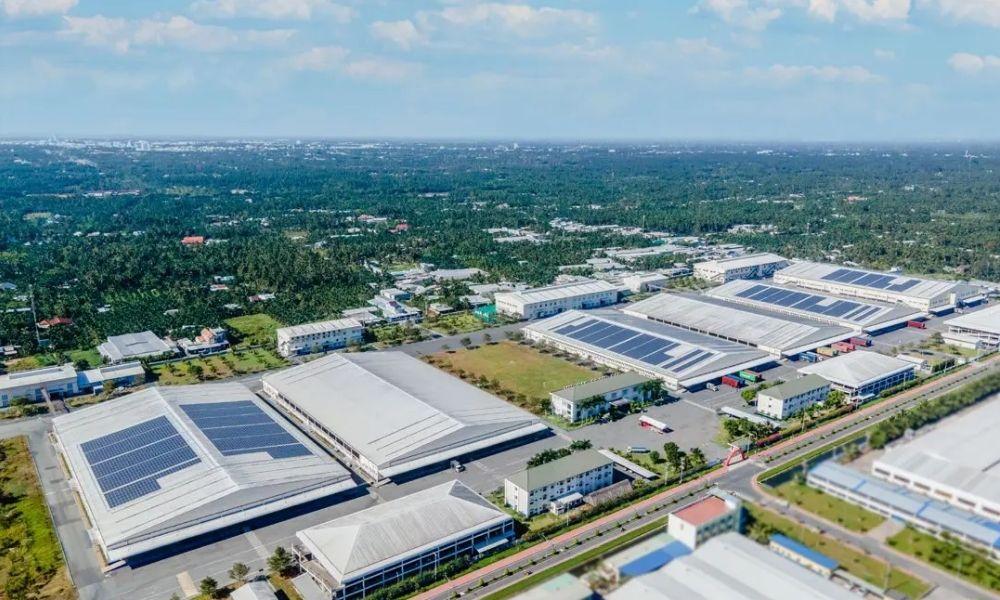
The Thai solar market is mainly characterized by large ground-mounted power plants, which make up over 60% of the market. In contrast, commercial and industrial distributed solar, particularly rooftop solar, represents about 36%. Although residential solar adoption began later, it has seen significant growth recently, with an installed capacity of approximately 1.8 GW.
Demand Drivers
Growing electricity demand in the industrial sector has prompted enterprises to actively install PV systems to reduce power costs. For residential customers, the widespread adoption of net metering policies has made rooftop solar a new growth area.
Policy Framework
Strategic Objectives
Strategic Goals: Thailand's "Alternative Energy Development Plan (AEDP)" and the "Power Development Plan 2024-2037" outline the nation's objectives. The goal is to boost renewable energy's contribution to power generation, reaching 51% by 2037. A significant part of this effort involves solar PV, with an installation target exceeding 24 GW.
Incentive Policies
Feed-in Tariffs (FiT) are in place. The starting rate for ground-mounted photovoltaic systems is 2.16 THB per kilowatt-hour. Projects that incorporate energy storage can see this rate rise to 2.83 THB per kilowatt-hour, all within a 25-year contract.
Net Metering: This allows users to feed excess electricity into the grid and receive compensation from the power company, with a rate of 1.68 baht per kWh applied to net electricity consumption—a rate lower than the residential electricity rate.
Tax Incentives: Import tariffs on photovoltaic and energy storage equipment will be waived, and corporate income tax exemptions will be granted for 5 to 8 years. Eligible companies may enjoy 100% foreign ownership, and procedures for land use permits and the hiring of foreign employees will be streamlined.
Residential Solar: Residents who install rooftop solar systems are eligible for a personal income tax deduction of up to 200,000 baht (applicable to projects for which payment is completed and the system is connected to the grid between 2026 and 2028).
Energy Storage Market
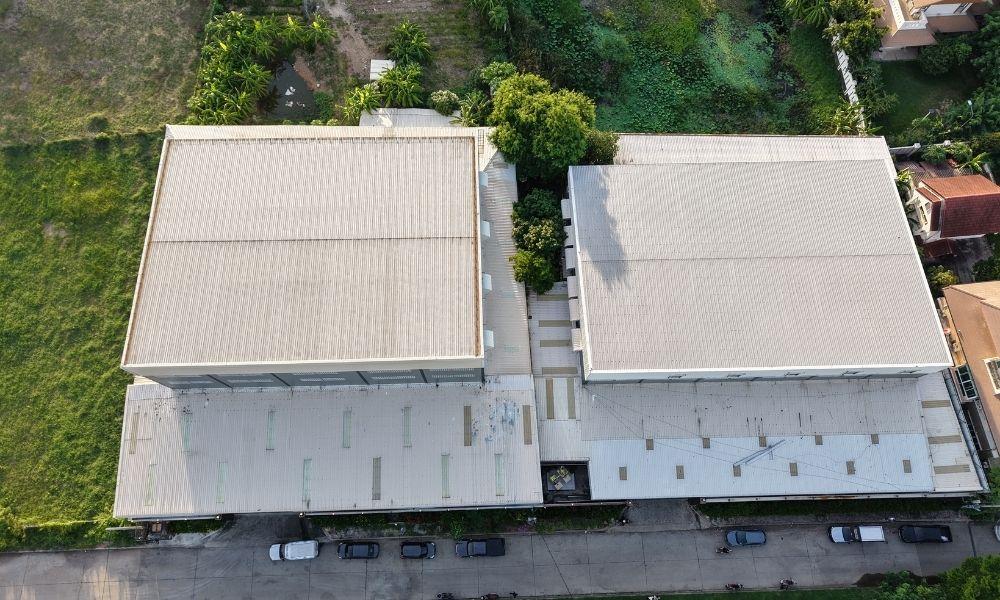
Mandatory Storage Policy: In 2025, Thailand passed legislation mandating that new solar power plants include energy storage systems accounting for at least 15% of their capacity, with a typical storage duration requirement of two hours.
Community Solar
The “Community Solar Program” has been launched, allowing local communities to lead the construction of photovoltaic power plants with a capacity of less than 10 MW. The provincial or municipal electricity authority will serve as the power purchaser under a 25-year power purchase agreement, with a proposed feed-in tariff of 2.25 baht per kWh.
Challenges and Opportunities
Challenges
Grid Absorption Pressure: The existing transmission grid struggles to accommodate the integration of large-scale distributed generation, with curtailment rates reaching 5% in some regions.
Land Constraints: High land costs in plain areas necessitate the promotion of floating PV and agrivoltaics models.
Intensified International Competition: The U.S. "anti-dumping and countervailing duty" investigation affects module exports, while countries like Vietnam and Malaysia are accelerating capacity expansion.
Opportunities
Floating Solar Power Plants: Floating solar farm has emerged as a new growth driver. EGAT plans to build floating solar power plants at nine reservoirs, with a total capacity of 2,725 MW; 69 MW has already been completed
Integrated PV+BESS Systems: The mandatory energy storage policy in 2025 is driving demand for energy storage, and the electricity prices for integrated PV+BESS projects are higher than those for standalone solar projects.
Residential Solar Systems: Implement a net metering program to encourage residents to install solar-plus-storage systems.
Conclusion
Overall, driven by favorable policies, abundant resources, and strong market demand, Thailand’s solar market is currently experiencing rapid growth and is poised to become a major hub for solar energy in Southeast Asia.