Philippines PV-ESS Market Analysis
Market Overview
In 2024, the Philippines added about 1.8 GW of solar capacity. By 2025, the total installed capacity reached approximately 12.15 GW, and it's expected to exceed 2 GW in 2026.
This indicates that the Philippines is an undervalued solar and energy storage market.
Policy Landscape & Incentive Mechanisms
National Policies
Green Energy Auction : The Philippines will launch multiple rounds of annual competitive tenders for renewable energy between 2027 and 2035, providing at least 25 GW of renewable energy capacity annually.
Mandatory energy storage deployment: The Philippines stipulates that renewable energy generation projects with a capacity of 10 MW or more must be accompanied by the simultaneous construction of energy storage systems, and that the storage capacity must not be less than 20% of the total installed renewable energy capacity.
Foreign Equity Policy: In 2022, the Philippines lifted the 40% foreign equity cap on renewable energy projects, now permitting 100% foreign ownership.
Net Metering Policy: Allow users to sell surplus electricity to the grid and raise the net metering capacity limit from 100 kW to 1 MW.
Key Projects
Utility-Scale Ground-Mounted Solar Projects
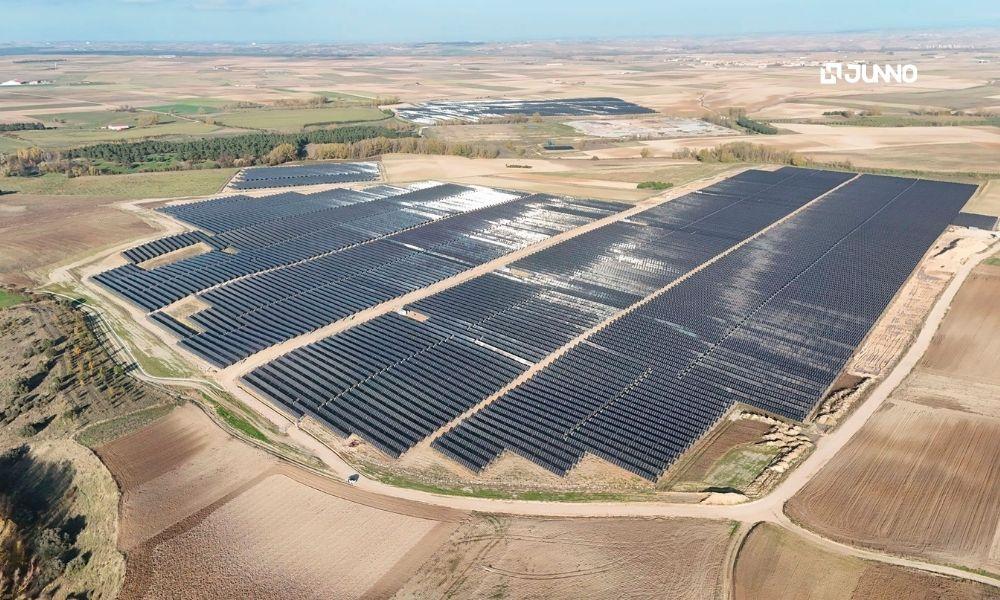
Calatrava Solar Farm (137 MW): Sumec signed the EPC contract for its construction, with an estimated annual power generation of approximately 270 million kWh. The project previously benefited from an early Feed-in Tariff scheme.
Tantangan Solar Farm (99 MW): This project is a GEA auction project, constructed by China Machinery Engineering Corporation, and equipped with an energy storage system, which has greater flexibility and dispatch value.
Off-grid Microgrid Projects
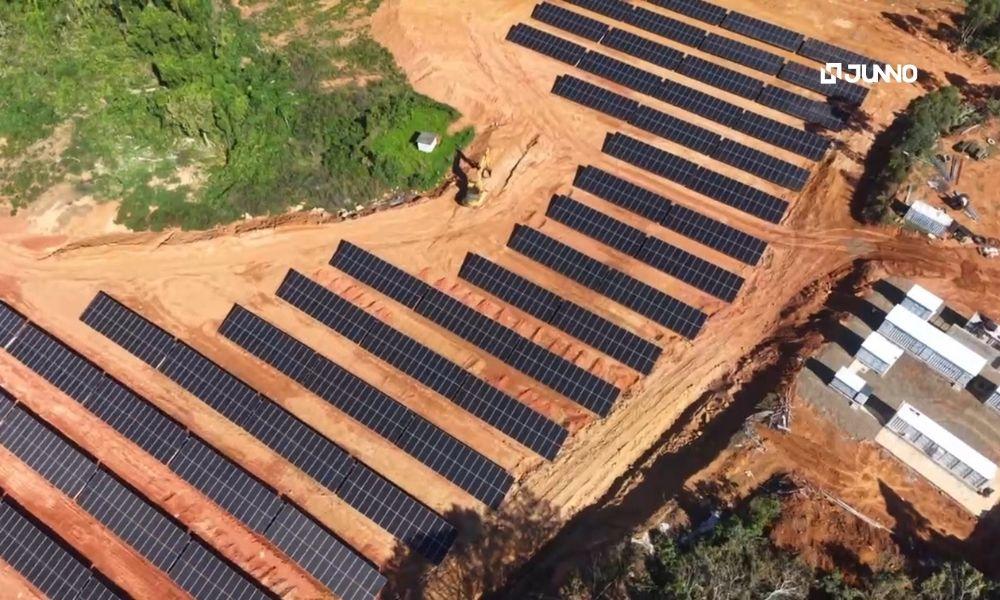
Among the thousands of off-grid islands in the Philippines, a hybrid photovoltaic-storage model can be used to significantly reduce reliance on diesel generators.
Challenges & Opportunities
Key Bottlenecks
Grid Constraints: The Philippines' aging grid infrastructure and limited transmission capacity in remote areas restrict the grid connection of large-scale power plants.
Implementation Disparities: While national policies are clear, local implementation paces vary, necessitating advance assessment of approval and grid connection processes.
Cost Pressures: Frequent typhoons increase equipment maintenance costs, and the standardization of energy storage systems significantly raises the overall investment threshold.
Investment Opportunities
PV-ESS Integration: Integrated solar and energy storage systems have become a market necessity. They not only solve the problem of grid instability but also provide nighttime power support during typhoon power outages, offering peak-shaving services to the grid.
Residential Solar Systems: With the simplification of the ERC approval process, the implementation of net metering policies, and the driving force of high electricity prices, residential and commercial rooftop solar power in the Philippines is experiencing explosive growth.
Off-grid Microgrids: The Philippines has more than 7,000 islands, many of which still rely on diesel generators for power. By utilizing hybrid inverter technology and distributed energy storage systems, efficient and environmentally friendly hybrid energy systems can be established in these areas to replace traditional diesel generators.
Corporate Investment Recommendations
Utility-Scale Concentrated Solar Farms
Actively participate in GEA auction projects. Prioritize site selection in Central or Northern Luzon, where solar irradiation is abundant and land is accessible. Secure long-term returns through Power Purchase Agreement (PPA) contracts and closely monitor the government's latest requirements for storage allocation ratios.
PV-ESS Integration & Off-grid Microgrids
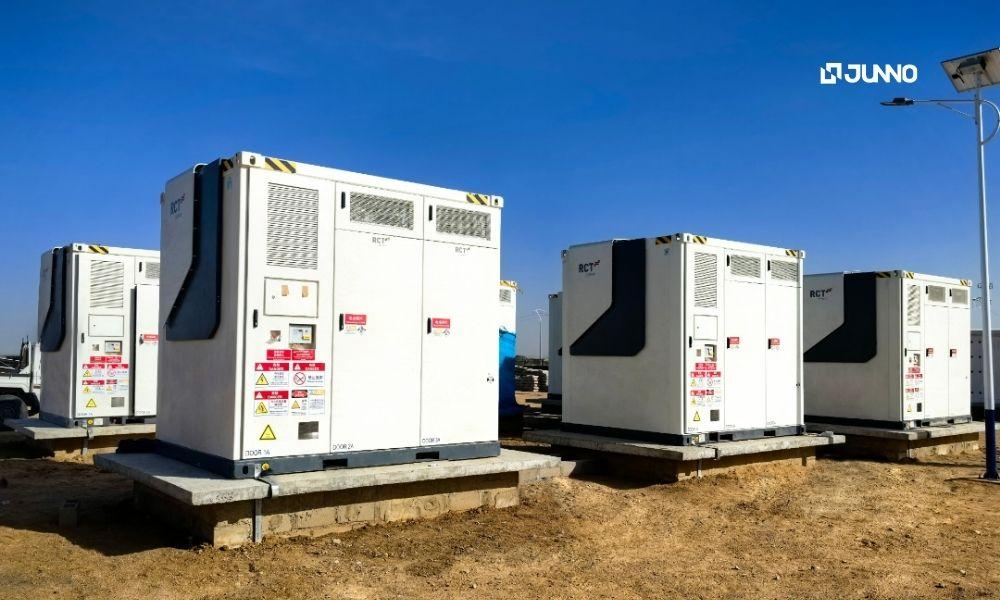
For islands and remote areas, we collaborate with local energy companies or village and township cooperatives to develop projects. By investing in hybrid inverters and BESS systems, we enhance grid support capabilities and ensure reliability.
Distributed Rooftop PV & Residential Energy Storage
Capitalise on the benefits of simplified ERC approval processes and net metering policies to expand the distributed generation market. Partner with local installers and fintech institutions to introduce zero-deposit leasing or instalment payment schemes, thereby lowering the barrier to entry for residents.
Policy & Compliance
Strictly adhere to the application procedures for certificates such as RESC (Renewable Energy Service Contract) and ECC (Environmental Compliance Certificate) to ensure the project’s legal compliance. Make full use of PEZA/BOI policies to secure tax and land incentives, thereby reducing operating costs.