Analysis of Vietnam's Renewable Energy Industry Chain
National Strategy
Vietnam's rapid growth in renewable energy is due to long-term core strategies at the national level. Two key policy documents make up a complete policy framework:
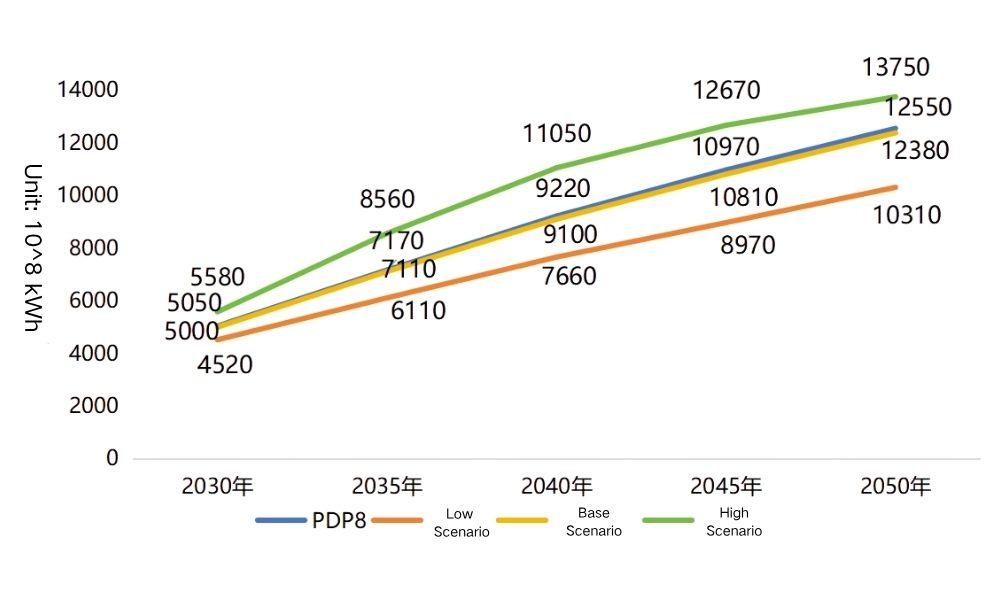
Power Development Plan 8
As Vietnam’s highest-level development framework for the energy sector, it sets out the core objectives for electricity sector reform over the next decade: significantly reducing the share of coal-fired and thermal power generation, continuously expanding the installed capacity of renewable energy, improving the national power transmission system, and ensuring energy self-sufficiency and security.
Resolution No. 253 on New Energy Development
The resolution focuses on specific segments of the renewable energy sector, introducing detailed rules on industrial support, grid connection and integration, mandatory supporting infrastructure, price subsidies, and the attraction of foreign investment. By translating top-level planning into practical implementation guidelines, it addresses the key challenges in the development, operation, and supporting infrastructure of renewable energy projects, thereby significantly accelerating the commercialisation of renewable energy.
Core Sectors
Vietnam is simultaneously advancing three major sectors—solar, wind power, and energy storage—while rapidly improving upstream and downstream supply chain support to create a synergistic industrial ecosystem.
Solar Power
Vietnam is one of the earliest and largest developers of solar energy in Southeast Asia. Leveraging abundant sunlight resources, the country is seeing multi-point growth in centralized ground-mounted stations, commercial and industrial distributed PV, and residential rooftop systems. Policies continue to relax restrictions on solar project development and optimize grid connection approval processes. Industrial parks and commercial buildings are encouraged to build their own PV systems, making the "self-generation and self-consumption" model the mainstream trend.
Wind Power
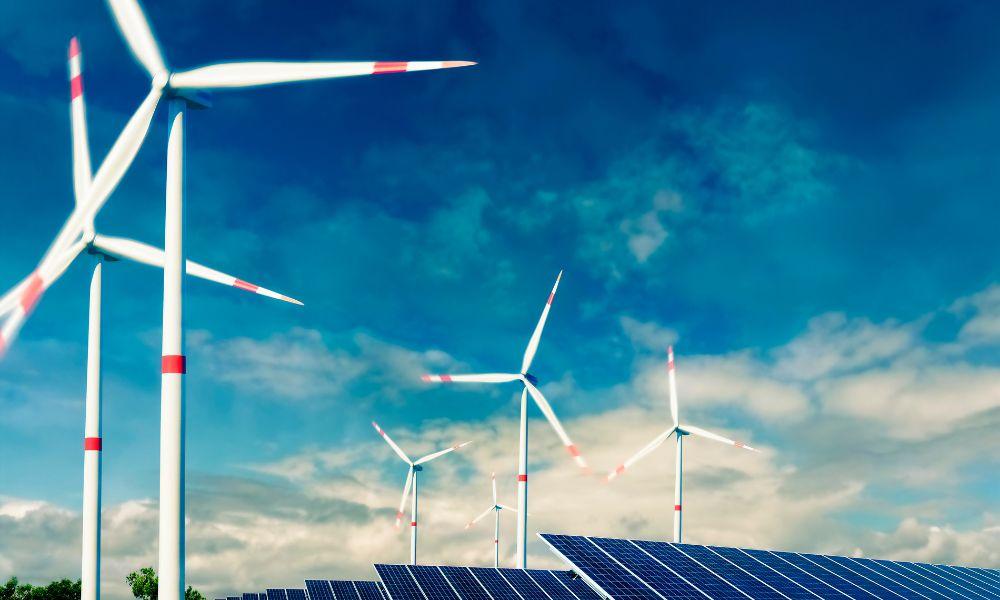
Onshore wind power is being developed steadily on a large scale, while offshore wind power has been identified as a key area for future energy growth. Vietnam boasts an extensive coastline and high-quality offshore wind resources; the government has clearly designated exclusive development zones for offshore wind power, planned a series of demonstration projects, and is gradually improving the supporting systems for offshore wind power construction, operation, and maintenance, and equipment supply, thereby opening up opportunities for growth in the medium to long term.
Energy Storage Systems
To address the challenges posed by the intermittent and fluctuating nature of renewable energy, Vietnam has incorporated energy storage into the mandatory planning of its electricity system, setting clear targets for installed energy storage capacity and requiring new renewable energy projects to include energy storage systems in proportion to their capacity. At the same time, the country is promoting the implementation of grid-side standalone energy storage and commercial and industrial energy storage at the consumer level. As a result, energy storage has shifted from being an optional add-on to a mandatory requirement, and lithium-ion battery storage, residential energy storage, and large-scale shared energy storage are now experiencing a period of rapid growth.
Investment Advantages
Differentiated Electricity Pricing Mechanisms
Specialized electricity pricing policies have been formulated for solar, wind, and storage projects, including fixed benchmark tariffs, market-based competitive bidding prices, and self-consumption rates. These mechanisms ensure reasonable returns for renewable projects, reduce uncertainty in investment payback, and attract continuous domestic and foreign capital inflow.
Mandatory EV Charging Infrastructure Regulations
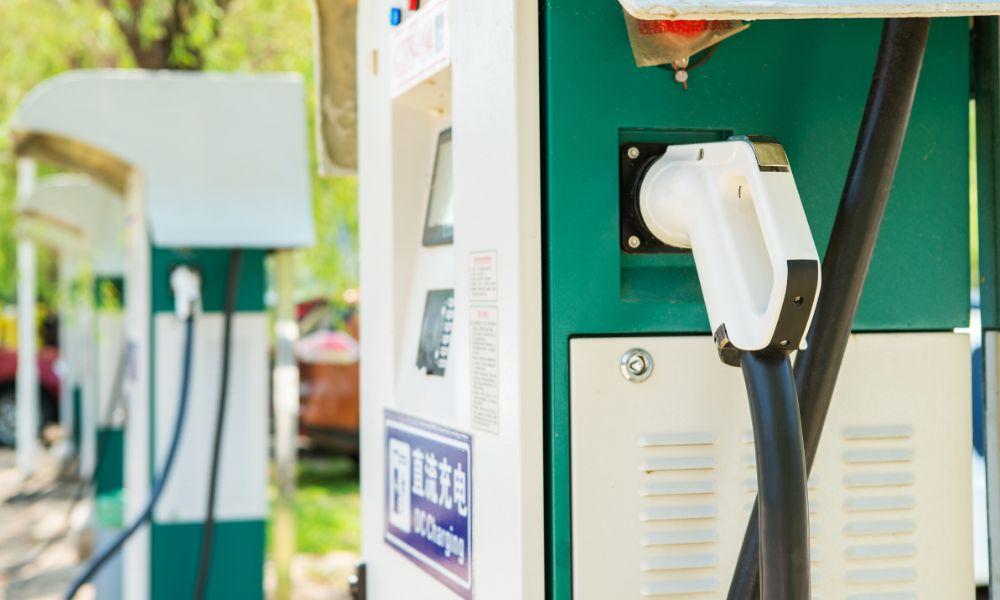
At the same time, infrastructure for renewable energy vehicles should be developed in parallel, with the introduction of mandatory policies: new commercial properties, residential estates, industrial parks and public buildings must be required to install a fixed proportion of charging points; the deployment of public charging networks along motorways and in urban public areas should be accelerated to address the shortcomings in electric vehicle usage, thereby driving the accelerated uptake of electric vehicles.
Multi-Tier Subsidy System
Support policies are provided across various areas—including renewable energy equipment manufacturing, project investment, research and development, and localized production—such as tax breaks, land concessions, fast-track project approval procedures, and tariff exemptions on imported equipment, thereby reducing the costs associated with establishing and operating businesses.
Foreign Investment
To quickly bridge technological and capacity gaps, Vietnam continues to optimize its business environment for foreign investors and lower entry barriers in the renewable energy sector:
- Relaxation of foreign ownership limits in wind/solar power plants, energy storage projects, and charging pile operations, allowing wholly foreign-owned operations in most sectors.
- Exclusive investment promotion policies offered in green energy manufacturing parks, simplifying corporate registration, environmental impact assessments, and land use approval processes.
- Encouragement for foreign enterprises to establish localized production, improve upstream and downstream component and equipment manufacturing, and build new energy industrial clusters.
Conclusion
Under the dual guidance of the PDP8 power plan and Resolution No. 253, Vietnam has completed the strategic layout of the entire renewable energy industry chain. The three major sectors of solar, wind, and storage are developing synergistically, with highly mature policies, markets, infrastructure, and foreign investment environments.
A trillion-dollar blue ocean market has officially opened. For renewable energy companies, cross-border investors, and industrial service providers, establishing an early foothold in Vietnam and anchoring into the wave of Southeast Asia's energy transition means seizing the core incremental growth opportunities of the next phase of globalization.